
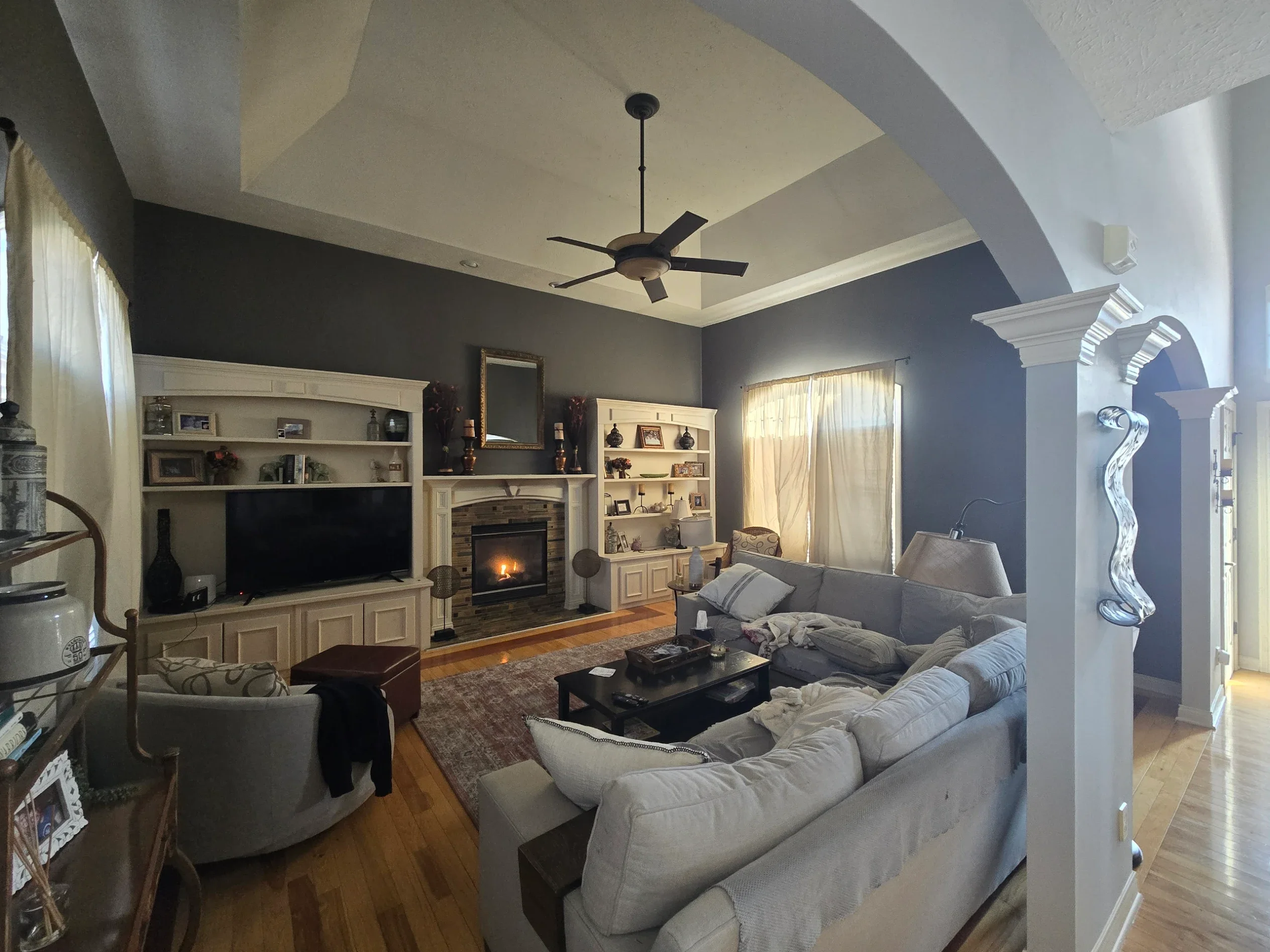
Quick answer: The best flooring choice is not a universal material. It is the material that fits a particular room, the existing subfloor, the amount of moisture, the traffic pattern, and the way the floor meets nearby rooms.
Start with the room, not the product name
Entryways, kitchens, baths, bedrooms, and basements put different demands on a floor. Write down moisture exposure, pets, rolling chairs, stairs, and cleaning habits.
Ask about the substrate
A durable surface can still disappoint if the subfloor is uneven or unsuitable. Ask what will be inspected and what preparation is included.
Related service: Flooring installation.
Look at transitions early
Doorways, stairs, existing tile, and neighboring floors need deliberate transitions. Ask to see where they will land before materials are ordered.
Live with samples
View samples in your home in daylight and evening light. Check how texture feels underfoot and how the finish shows dust, water, or scratches.
Before you move forward
Keep the scope, selections, approvals, and any project changes in writing. If a claim about availability, licensing, insurance, price, timing, or warranty matters to your decision, request it directly and retain the documentation.