Record a source-and-receiver map
Write down what creates the sound, when it occurs, and where it is troublesome. Include the rooms directly above, adjacent rooms, stairs, doors, and equipment. Notice whether the problem changes when doors are open or closed, but do not dismantle systems to investigate it. A simple household record helps the contractor distinguish an echo inside one room from sound that travels through the building to a different room.
Separate isolation from room treatment
Sound-absorbing finishes can affect reflections inside a space. Reducing transmission through a wall or ceiling involves the assembly and its connections. Ask which part of the proposed work serves each purpose. A theater may need both conversations, while a home office may prioritize speech privacy. Compare proposals by the problem they address and the expected result, not by the number of products described as acoustic.
Find the paths that remain around the assembly
A new wall treatment can be bypassed by doors, open stairs, ducts, or connecting ceiling cavities. Ask the contractor how those paths affect the proposal and what will remain untreated. If a pump, appliance, or exercise machine causes vibration, discuss the source and its installation as well as the surrounding finishes. Work on one surface can be useful while still leaving a limitation that should be acknowledged before the cost is accepted.
Coordinate access, lighting, and mechanical work
Sound-control assemblies should not erase required service access or conflict with fixture and equipment instructions. Ask how penetrations, doors, access panels, and ventilation will be handled. If a specialized assembly is proposed, request the installation details and any supporting performance information that applies to it. A published laboratory rating for one assembly should not be treated as a guaranteed result for a different existing basement.
Agree on what success will mean
Use a plain goal such as making office calls less distracting or reducing late-night television disturbance in a named room. Ask the contractor how it will assess the existing condition and explain the likely improvement. Keep exclusions in the written proposal. Send Homerix your source-and-receiver notes so the contractor inquiry reaches the actual concern. The selected provider should confirm its methods and limitations directly with you.
Your next steps
- Name the sound source and the room receiving it.
- Record when the problem occurs.
- Ask which paths are treated and which remain.
- Separate internal echo control from transmission control.
- Review access and ventilation details with the assembly.
Questions worth asking.
Will acoustic foam stop footsteps from upstairs?
An internal room treatment should not be assumed to solve impact traveling through the building. Ask for an assessment of the source and transmission path.
Can sound work be added after finishing?
It may be possible, but some approaches require opening or changing existing assemblies. Ask for the disturbance and finish-restoration scope before comparing retrofit options.
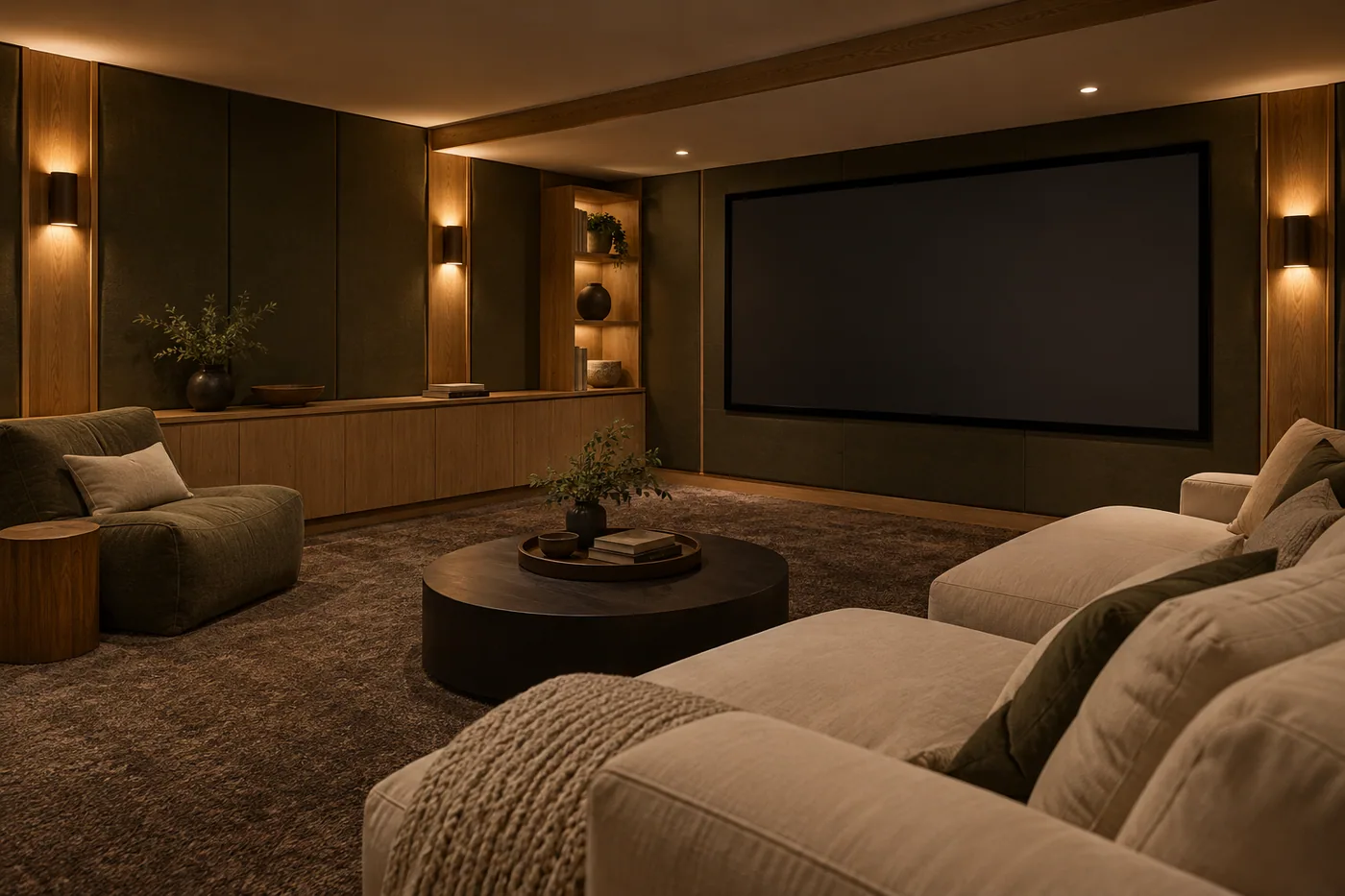
Homerix planning resources help you prepare questions. Confirm site conditions, requirements and construction decisions with the appropriate contractor or authority. Room images are generated design inspiration.